 AU
AU
 NZ
NZ
 UK
UK

In oil and gas facilities, safety-critical infrastructure often brings mind process equipment, containment systems and structural assets. Yet one of the most heavily used assets on any platform, refinery or processing facility is also one of the easiest to overlook: the staircase.
Personnel rely on stairways every day to move safely between work areas, often in conditions where water, hydrocarbons, chemicals and environmental exposure are constant. When stair treads lose traction, corrode, or deteriorate over time, the risk of slips, trips and falls can increase significantly.
For this reason, stair tread specification is more than simply providing access. It is about ensuring reliable grip, visibility and durability in environments where safety margins can be small, and operating conditions are demanding.
This is where FRP stair treads are increasingly being considered an alternative to conventional steel systems, particularly in offshore and coastal oil and gas facilities where corrosion and slip resistance are ongoing concerns.
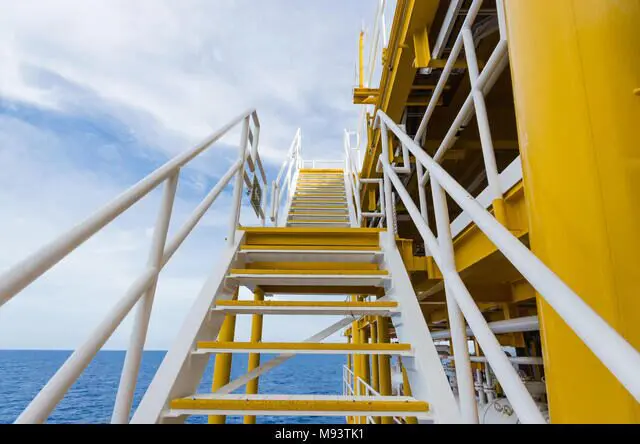
Role of Stair Treads in Oil and Gas Refineries
Stairways experience some of the highest levels of foot traffic on an oil and gas facility. Unlike many other structural components, they are subjected to constant use while also being exposed to environmental and operational contaminants.
Common challenges include:
- Water and salt air exposure
- Oil, grease and chemical contamination
- Corrosive offshore environments
- Heavy foot traffic
- Exposure to UV and extreme weather conditions
Over time, these factors can compromise both safety and maintenance performance, particularly when traditional materials begin to corrode or when applied anti-slip products wear down.
One of the most important functions of a stair tread is maintaining traction under changing operating conditions. Traditional steel stair systems often rely on secondary anti-slip treatments, coatings or adhesive products that can degrade or delaminate through wear, impact and environmental exposure.
FRP stair treads take a different approach. The anti-slip surface is integrated directly into the tread during manufacture, creating a durable walking surface designed to maintain grip throughout the life of the product.
Combined with integrated high-visibility nosings, this helps improve step edge recognition and underfoot confidence in areas exposed to moisture, oils and heavy use.
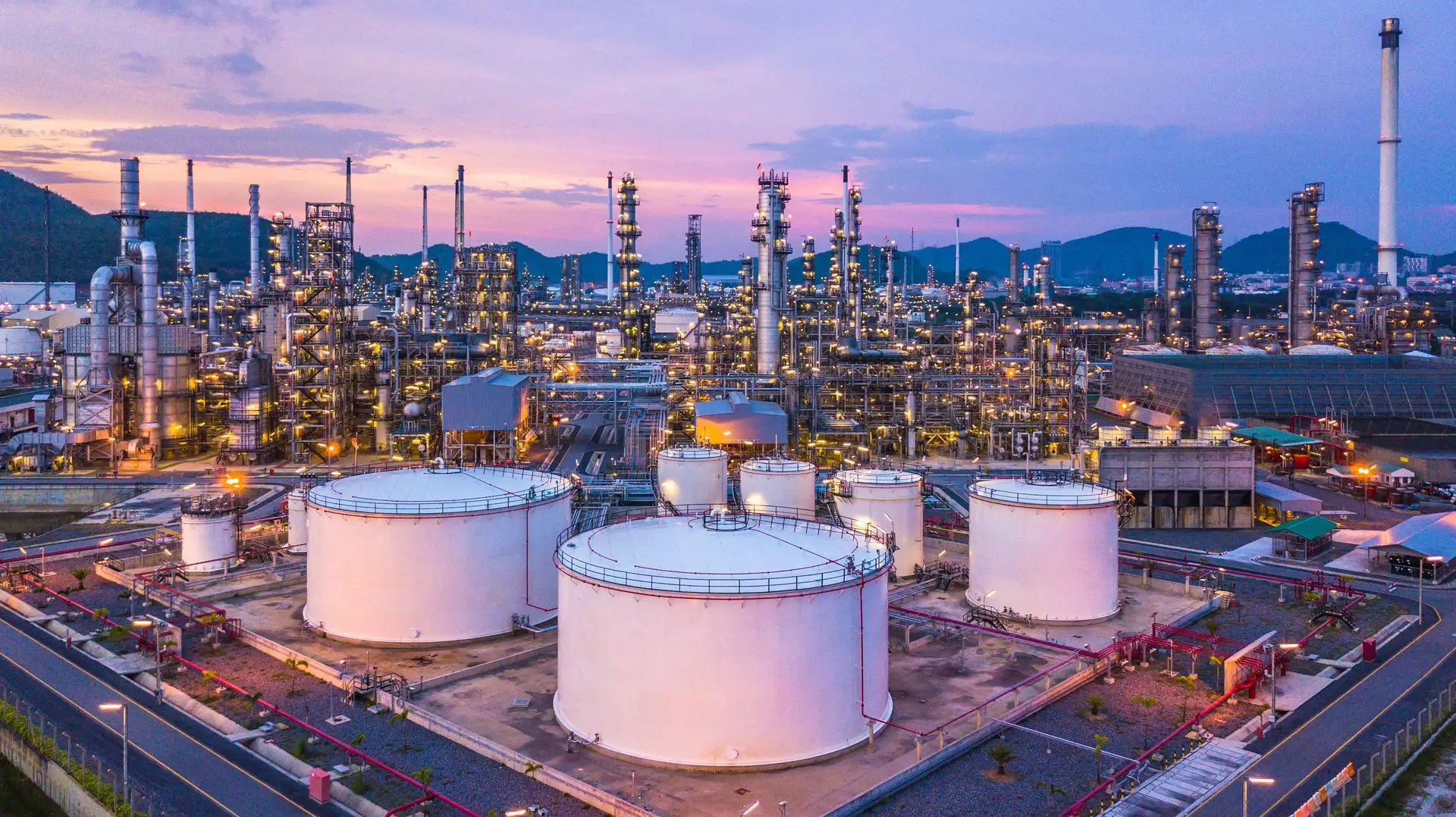
BUILT FOR CORROSIVE ENVIRONMENTS
Corrosion remains one of the largest maintenance challenges across offshore and coastal oil and gas infrastructure.
Steel stair systems can be vulnerable at welds, fixings, cut edges and locations where protective coatings have deteriorated. Managing corrosion often requires ongoing inspection, maintenance and periodic refurbishment.
Because FRP does not rust or corrode, it is particularly well-suited to offshore platforms, marine terminals and coastal processing facilities where exposure to salt, moisture and harsh environmental conditions is unavoidable.
STRENGTH WITHOUT EXCESS WEIGHT
FRP stair treads provide a high strength-to-weight ratio, allowing them to deliver structural performance while remaining up to 75% lighter than steel alternatives.
This can simplify installation, reduce handling requirements and make retrofit projects easier, particularly on offshore structures where access and lifting considerations are often key project constraints.
While stairways may not always receive the same attention as larger infrastructure assets, they remain one of the most critical interfaces between people and the facility.
Selecting stair tread materials that can maintain slip resistance, resist corrosion and perform reliably in harsh operating environments can play an important role in supporting safe access across the life of an oil and gas asset.